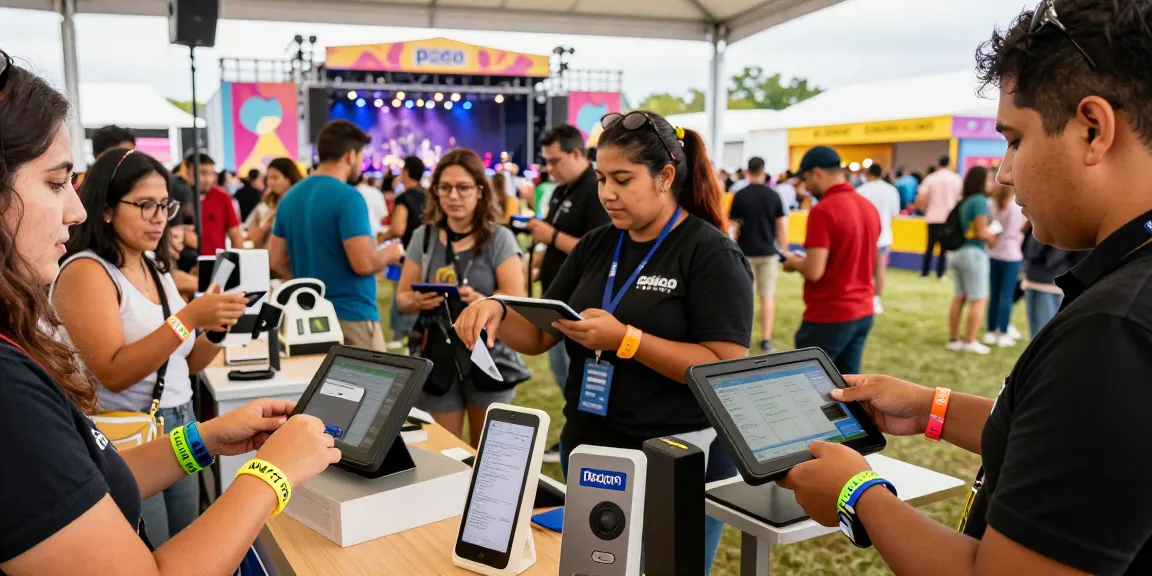
The Rise of Cashless Payments in Events
As the event industry continues to evolve, cashless payment solutions are becoming a fundamental part of enhancing attendee experiences and streamlining operations. With technological advancements and the growing preference for seamless transactions, event organizers are investing more in systems that facilitate pago cashless en eventos. This transition not only provides convenience for attendees but also offers significant benefits for organizers looking to optimize revenue and guest management.
Understanding pago cashless en eventos
Cashless payments have gained traction over traditional cash methods in recent years, particularly in large-scale events such as music festivals, conferences, and sports events. The term “pago cashless” refers to transactions that do not involve physical currency; instead, they rely on digital and electronic forms of payment like credit cards, mobile wallets, and RFID-enabled wristbands. This shift meets the increasing demand for fast, efficient, and secure methods of payment.
Benefits of Cashless Transactions for Event Organizers
- Enhanced Speed and Efficiency: Cashless payments expedite transaction times, allowing for faster processing at food stalls, merchandise stands, and entry points.
- Data Collection: Organizers can gather valuable data about spending patterns and preferences, which can be leveraged for future events to tailor offerings to attendees’ likes.
- Reduced Theft and Loss: With less cash on-site, the risk of theft diminishes, providing a safer environment for both vendors and attendees.
- Improved Financial Management: Simplified accounting processes and real-time reporting lead to better financial oversight and quicker reconciliation of sales.
Key Technologies Behind Cashless Payments
Overview of NFC and RFID Technologies
At the heart of cashless payment systems are technologies like Near Field Communication (NFC) and Radio Frequency Identification (RFID). NFC enables secure communication between devices over short distances, allowing for smooth transactions. RFID, on the other hand, uses electromagnetic fields to transfer data between a reader and an electronic tag. Both technologies have revolutionized access control and payment processes in events.
Real-time Access Control Solutions
Real-time access control is essential for large-scale events. With NFC wristbands, entry can be granted or denied in mere seconds, capable of managing thousands of attendees per hour. This technology helps streamline access points, reducing congestion and enhancing the overall experience for guests while ensuring security protocols are upheld.
The Role of Mobile Applications in Cashless Payments
Mobile applications play a crucial role in supporting cashless transactions. They allow attendees to preload funds onto their accounts, manage budgets, and even track expenses in real-time. Additionally, these apps can provide personalized experiences through promotions and recommendations based on user behavior.
Implementing Cashless Solutions for Your Event
Steps to Transition from Cash to Cashless
Transitioning to a cashless solution involves several critical steps. First, assess your event’s specific needs and the existing infrastructure. Next, choose an appropriate provider that specializes in cashless systems. Conduct a pilot test at a smaller event to iron out any potential issues before full-scale implementation. Finally, ensure thorough communication with both staff and attendees about the changes.
Best Practices for Setting Up Cashless Systems
- Invest in high-performance NFC readers to handle increased traffic.
- Enable multiple payment methods to cater to different attendee preferences.
- Conduct training sessions for your staff to familiarize them with the new systems.
- Promote pre-event registration and fund loading to reduce queues on site.
Training Staff for a Cashless Event
A smooth transition to cashless payments relies on well-trained staff who can assist attendees effectively. Conduct training workshops that cover the new payment systems, troubleshoot common issues, and manage customer inquiries. Staff equipped with knowledge will greatly enhance attendee satisfaction.
Measuring the Impact of Cashless Systems
Key Performance Indicators for Success
To assess the success of cashless solutions, organizers should track key performance indicators (KPIs) such as transaction speed, overall revenue generated through cashless payments, and attendee satisfaction rates. This data can inform improvements for future events and help gauge ROI on the implemented technology.
Case Studies: Successful Cashless Events
Several high-profile events have successfully adopted cashless systems, showcasing the numerous advantages these technologies offer. For instance, the SoundWave Festival reported zero queues at entry points while managing 40,000 attendees, allowing for a smoother experience. Similarly, TechCon Global experienced a dramatic reduction in time spent generating sales reports due to immediate data export capabilities.
Feedback and Improvements Post-Event
Post-event analysis is crucial for understanding the attendee experience and the effectiveness of the cashless system. Gather feedback through surveys and direct communication to identify areas for improvement. This practice not only enhances future events but also builds trust with attendees who appreciate their opinions being valued.
Future Trends in Event Management and Cashless Payments
Innovations on the Horizon for Events
The event industry is poised for continued growth in cashless technology adoption. Emerging trends include the use of biometric payments, where facial recognition systems facilitate transactions, and advanced analytics tools to predict attendee behavior. These innovations promise to further streamline the event experience.
Anticipated Changes in Consumer Behavior
As tech-savvy millennials and Generation Z become the primary demographic for events, expectations for convenience and speed will continue to rise. These generations are more inclined to embrace digital solutions, underscoring the importance of investing in cashless systems for both future events and overall brand reputation.
Preparing for the Future of Event Technology
To remain competitive, event organizers must anticipate technological advances and evolving consumer preferences. Staying informed about the latest trends, attending industry seminars, and engaging with technology partners will equip organizers to adapt effectively and enhance the overall event experience.